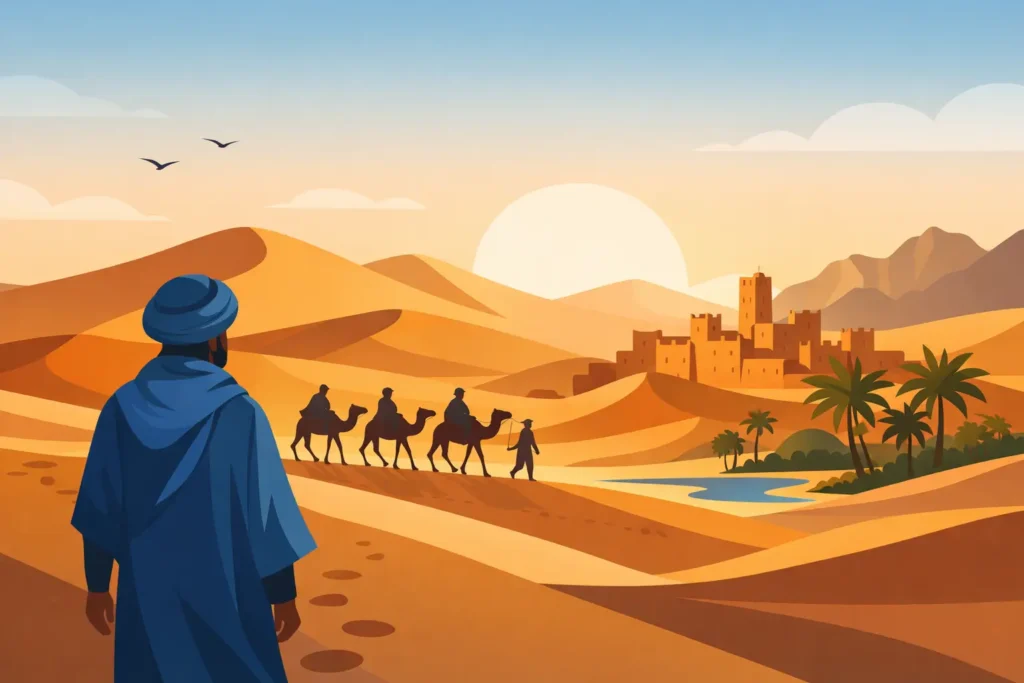
A well-planned Sahara desert tour guide can make the difference between a long transfer with a camel photo at the end and a genuinely memorable Morocco journey. For most travellers, the desert is not a stand-alone stop. It is part of a wider route that may begin in Marrakech, Fes, Casablanca or Tangier, and the quality of that route matters just as much as the dunes themselves.
Why a Sahara desert tour guide matters
The Sahara is one of Morocco’s most requested experiences, but it is also one of the easiest parts of a trip to misjudge from abroad. Distances are longer than many visitors expect, road days can be full, and not every desert camp or operator offers the same level of comfort, service or authenticity. A good guide does more than lead the way. They help shape a realistic itinerary, explain regional differences, manage timing, and turn the route into part of the experience.
That local guidance is especially valuable for first-time visitors. Morocco has excellent highlights across the country, but the desert involves moving through changing landscapes, mountain roads, villages, kasbah regions and remote areas where logistics matter. Travellers who choose a private or customised service usually do so because they want reassurance, flexibility and clear planning from people who know the terrain.
Choosing the right Sahara route
Marrakech to Merzouga
This is one of the classic desert routes and a strong choice if Marrakech is your arrival point. The journey usually passes through the High Atlas Mountains, Ait Ben Haddou, Ouarzazate, the Dades Valley or Todra Gorges, and then continues to Merzouga on the edge of the Erg Chebbi dunes.
The main advantage is variety. You do not just travel to the desert – you see some of southern Morocco’s most striking landscapes on the way. The trade-off is time. A rushed two-day plan is possible, but it often feels compressed. Three or four days is usually far more comfortable and gives you time to enjoy the scenery rather than simply reach the camp.
Fes to Merzouga
If you are travelling between imperial cities and want to include the Sahara, Fes to Merzouga is a practical and popular option. The route typically crosses the Middle Atlas, cedar forests and Ziz Valley before reaching the dunes.
This route suits travellers building a one-way itinerary through Morocco. It is often less dramatic than the Atlas approach from Marrakech, but it is efficient and fits well into longer circuits. For couples and private groups, it works particularly well when paired with onward travel to Marrakech.
Casablanca or Tangier departures
Travellers arriving in Casablanca or Tangier generally benefit from a longer, structured itinerary rather than a direct push to the desert. These starting points are best for broader tours that combine cities, the blue town, mountains and Sahara travel over several days.
In these cases, a desert guide is not just managing the final dune experience. They are coordinating a national route. This is where customised planning becomes especially valuable, because the best itinerary depends on how many days you have and whether you prefer cultural stops, scenic drives, or a more premium pace.
Merzouga or Zagora – which desert experience is right?
A proper Sahara desert tour guide should explain this clearly, because many travellers assume all desert tours are the same. They are not.
Merzouga, near Erg Chebbi, is the stronger choice for travellers who want the classic Sahara image – high golden dunes, wider landscapes, camel rides at sunset, and a camp experience that feels more substantial. It generally requires more driving time, but for many visitors it is worth it.
Zagora is closer to Marrakech and often used for shorter desert itineraries. It can be a sensible option if your time is limited and you still want a night under the stars. The trade-off is that it does not offer the same dune scale or overall desert atmosphere as Merzouga.
For travellers with three days or more, Merzouga is usually the better recommendation. For those with very tight schedules, Zagora can work, but expectations should be realistic.
What to expect on a desert tour
Most quality Sahara tours are built around more than one highlight. The drive itself is part of the holiday, especially when the itinerary includes the Atlas Mountains, kasbahs, palm valleys and desert towns. A strong guide keeps the pace comfortable, plans worthwhile stops, and adjusts the day around your interests.
Once in Merzouga, travellers usually transfer by camel or 4×4 to a camp in or near the dunes. Camel trekking remains popular because it gives a traditional arrival and a memorable sunset view, but it is not the best fit for everyone. Families with very young children, older travellers, or guests who simply want more comfort may prefer a 4×4 transfer. A good operator should offer both options without pressure.
Camp standards also vary widely. Standard camps can be charming and atmospheric, but facilities may be simpler. Luxury camps usually provide larger tents, proper beds, private bathrooms and a more polished dinner service. The right choice depends on your travel style. Some guests want comfort after a long road day, while others are happy to prioritise the setting over the extras.
How many days should you allow?
This is one of the most common planning questions, and the honest answer is that it depends on your route and your pace.
For Marrakech to Merzouga, three days is the minimum most travellers should consider if they want a balanced trip. Four days is better if you prefer a slower journey, more scenic stops, or a luxury pace. For Fes to Merzouga, two or three days can work well depending on whether the route is one way or return.
If the desert is one piece of a larger Morocco holiday, it often makes sense to build it into a 6 to 10-day private itinerary. That way, the long distances feel purposeful rather than tiring, and the desert becomes part of a complete travel experience rather than a rushed detour.
What makes a good guide or operator?
A reliable Sahara desert tour guide should be clear, responsive and realistic from the start. Good planning begins before arrival. Travellers should know what route they are taking, how long the driving days are, what type of camp is included, and whether the tour is private or shared.
Local knowledge matters as much as logistics. The best guides explain what you are seeing along the way, adapt where possible, and understand how to pace a desert route for comfort. This is particularly important for private travel, where families, couples and small groups often have different priorities. Some want scenic photography stops. Others want cultural visits, upgraded accommodation, or fewer hotel changes.
It also helps to choose a Moroccan operator with direct regional knowledge rather than a business selling the experience from a distance. Companies such as Morocco Customised Tours can add value here because they combine on-the-ground coordination with tailored route planning, multilingual support and a clearer understanding of what different travellers actually need.
Costs, comfort and realistic expectations
Desert tour prices vary depending on season, length, vehicle type, accommodation standard and whether the service is private. A lower price may sound attractive, but it can mean more limited inclusions, basic camp facilities or a busier shared experience.
For many international travellers, private tours offer better value than they first appear. You gain flexibility, door-to-door support, and a pace that matches your holiday rather than someone else’s group schedule. That matters on long-distance desert routes.
The best approach is to compare the full structure, not just the headline cost. Ask what is included, where you will sleep, how long you will spend driving, and whether the itinerary has been designed around your entry city and available days.
Best time to go to the Sahara
Spring and autumn are generally the most comfortable seasons for desert travel. Temperatures are more manageable, and the route works well for sightseeing as well as overnight camp stays. Summer can still be possible, especially with a carefully timed itinerary and air-conditioned private transport, but daytime heat is stronger and not ideal for every traveller.
Winter offers beautiful light and often very pleasant daytime temperatures, but nights in the desert can be surprisingly cold. That catches some visitors off guard. A good guide prepares you properly, so the season works for you rather than against you.
Planning the right desert experience
The best Sahara trips are rarely the ones packed with the most stops. They are the ones planned with care, honest timing and the right level of comfort for the people travelling. Whether you want a romantic desert camp, a family-friendly route, or a wider Morocco circuit that includes Marrakech, Fes and the dunes, the real value of a guide lies in making the journey feel easy, personal and well judged.
If you are planning your first Morocco holiday, start with the route, not just the dunes. Once the journey makes sense, the Sahara becomes more than a bucket-list stop. It becomes one of the most rewarding parts of your time in Morocco.